
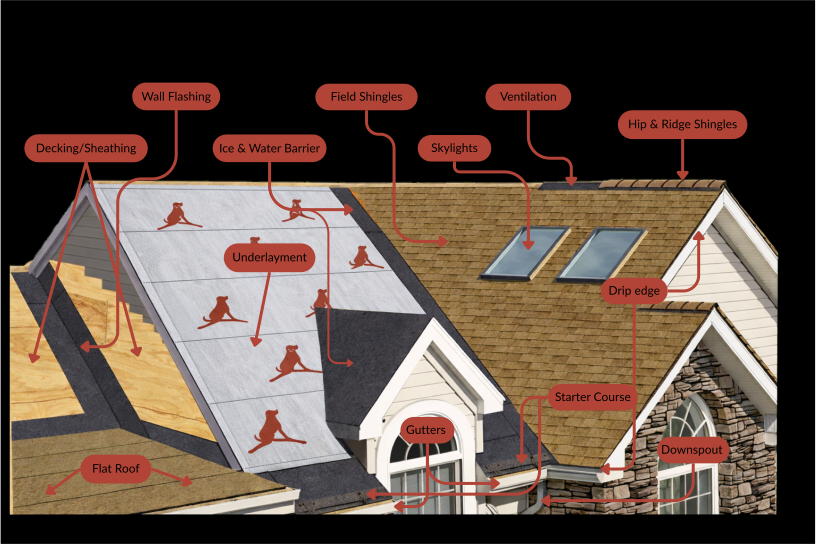
A residential roof system is built from nine layers working together: decking, drip edge, underlayment, ice and water shield, starter shingles, main shingles, flashing, ridge cap shingles, and ridge ventilation. Skipping or reordering any one of them compromises the whole system, and flashing failures are the single most common cause of the leaks found during inspections in Middle Tennessee. Red Rover Roofing inspects roofs layer by layer across the region’s intense sun, heavy rain, and storm seasons, and this guide breaks down what each layer does and where problems most often start.
Why Does Roof Decking Matter as the System’s Foundation?
The roof deck, typically OSB or plywood, is the surface everything else attaches to, and if it’s weak, rotted, or improperly fastened, the rest of the roof system can’t perform correctly. Hidden decking damage is commonly discovered only after old shingles are removed, and prolonged attic humidity, slow leaks around flashing, and poor ventilation are major causes of that deterioration. One common shortcut is reroofing directly over damaged decking to save labor cost — it may lower the estimate temporarily, but it creates structural and fastening problems that shorten the roof’s life significantly.
Why Is Drip Edge Important Even Though It’s a Small Detail?
Drip edge protects some of the most vulnerable areas of the home, and without it, water can wick behind gutters and rot fascia boards and decking over time. Current Tennessee and IRC-based roofing codes require drip edge at eaves and rake edges on asphalt shingle roofs, yet it’s still common to find it skipped entirely or installed incorrectly beneath the underlayment instead of properly integrated into the water-shedding sequence.
What Does Underlayment Actually Protect?
Underlayment sits directly above the decking and below the shingles, providing backup protection if shingles are damaged or blown off during a storm. Synthetic underlayments have largely replaced traditional felt because they resist tearing, moisture absorption, and UV exposure better, and they hold up especially well during the sudden storm exposure and temporary dry-in periods common during Middle Tennessee’s spring storm season. Underlayment requirements are tied directly to adopted IRC roofing codes, and proper overlap and fastening patterns are critical to maintaining water resistance.
Why Is Ice and Water Shield Critical Even in Tennessee?
Ice and water shield is often assumed to matter only in northern climates, but in Tennessee it protects the roof’s highest-risk leak areas: valleys, chimney transitions, skylights, low slopes, and roof penetrations. Most interior leaks traced during inspections start where this layer was skipped, improperly lapped, or terminated incorrectly around a penetration. Heavy rain and storm-driven water create many of the same risks in these areas that snow and ice damming create farther north, which is why Tennessee code increasingly emphasizes these same leak-prone zones.
Why Do Starter Shingles Matter for Wind Resistance?
Starter shingles are specifically designed to create a sealed edge at roof perimeters and help prevent wind uplift during storms. A common shortcut is cutting standard shingles into strips instead of using manufacturer-designed starter products — that shortcut often voids enhanced wind warranties and weakens the roof’s first line of defense against wind-driven rain and uplift.
Do Main Shingles Matter More Than Installation Quality?
The shingles provide the visible outer weather layer, but even high-quality shingles fail when installed incorrectly. Correct nail placement, proper overlap, manufacturer-approved fastening patterns, and accurate exposure spacing all directly affect wind resistance and lifespan — installation quality determines performance as much as the shingle itself. Architectural shingles are now the standard on most Middle Tennessee homes because they offer better durability and wind resistance than older three-tab shingles.
Why Is Flashing the Most Common Source of Roof Leaks?
Homeowners often blame shingles for leaks, but flashing failures are far more common, since flashing protects the transitions and penetrations where shingles alone can’t waterproof the roof.
- Chimneys
- Skylights
- Pipe penetrations
- Wall transitions
- Valleys
- Dormers
Improper flashing integration is the single most common leak source found during inspection, and reusing old flashing during a roof replacement is another common shortcut that often leads to premature leaks — flashing should always be replaced, never reused, during a full roof replacement.
How Do Ridge Caps and Ventilation Work Together?
The ridge is one of the roof’s most exposed areas during storms. Ridge cap shingles protect the peak, while ridge ventilation lets heat and moisture escape from the attic — without balanced ventilation, attic heat builds rapidly during Tennessee summers, which accelerates shingle aging and increases cooling costs. Ventilation isn’t optional under modern roofing standards; it’s a regulated part of the system, and poor ventilation is a common cause of shingles aging unevenly, curling prematurely, or trapping moisture inside the attic structure.
Where Do Roof Systems Usually Fail?
Most roof failures aren’t caused by one catastrophic mistake — they happen because small shortcuts compound over time. The most common problem areas include:
- Missing drip edge
- Improper flashing integration
- Skipped ice and water shield
- Incorrect nail placement
- Poor attic ventilation
- Reused metal components
- Underlayment installed out of sequence
A roof system only performs as well as its weakest layer.
Definitions
Roof Decking
The structural base of the roof system, typically plywood or OSB panels fastened to rafters or trusses. All other materials depend on solid decking.
Drip Edge
Metal flashing installed along eaves and rakes that directs water away from fascia boards and into gutters.
Underlayment
A protective layer over decking (synthetic or felt) that acts as a secondary water barrier beneath shingles.
Ice & Water Shield (IWS)
Self-adhering waterproof membrane installed in vulnerable areas like valleys, eaves, and penetrations. Seals around nail holes.
Starter Shingles
Shingles installed along roof edges before main shingles, providing secure seal and wind resistance for the first course.
Flashing
Metal components installed around chimneys, walls, skylights, and transitions to prevent water intrusion at these vulnerable points.
Common Mistakes to Avoid
What to Ask Your Roofer
Frequently Asked Questions About Roof System Layers
What are the layers of a residential roof system?
A roof system is built from nine layers: decking, drip edge, underlayment, ice and water shield, starter shingles, main shingles, flashing, ridge cap shingles, and ridge ventilation. Each layer depends on the one beneath it, and skipping or reordering any of them compromises the whole system.
Why is flashing the most common cause of roof leaks?
Flashing protects the transitions and penetrations, like chimneys, skylights, and valleys, where shingles alone can’t waterproof the roof. Improper flashing integration or reusing old flashing during a replacement are the most common causes of leaks found during inspections.
Is ice and water shield necessary in Tennessee?
Yes. While it’s often assumed to matter only in colder climates, ice and water shield protects Tennessee roofs at valleys, chimney transitions, skylights, and penetrations, where most interior leaks actually start. Heavy rain and storm-driven water create similar risks to snow and ice damming in these same areas.
What’s the difference between synthetic and felt underlayment?
Synthetic underlayment resists tearing, moisture absorption, and UV exposure better than traditional felt, which makes it more durable during storm exposure and temporary dry-in periods. It has largely replaced felt as the standard choice in Middle Tennessee roofing.
Why does roof ventilation matter for shingle lifespan?
Without balanced ridge ventilation, heat and moisture build up in the attic, which accelerates shingle aging, causes premature curling, and increases cooling costs. Ventilation is a regulated part of a modern roof system, not an optional add-on.
Middle Tennessee note:
Middle Tennessee roofs take a beating from intense summer heat, spring hailstorms, and heavy rain events. Each layer of a properly installed roof system is designed to handle these conditions. Cutting corners on any layer—especially underlayment, ice & water shield, or ventilation—leads to premature failure and expensive repairs.
Why Middle Tennessee Homeowners Trust Us
Need Professional Roofing Help?
Red Rover Roofing provides expert roofing services throughout Middle Tennessee. Get your free inspection today.