How Do Roofing Issues Affect a Home’s Structural Integrity?
The roofing issues most likely to affect a home’s structural integrity are prolonged moisture intrusion, poor attic ventilation, and weakened roof decking, since decking is the structural base the entire roofing system rests on. Left unaddressed, these three problems can weaken framing, saturate insulation, and lead to sagging rooflines or soft, spongy decking that needs structural repair rather than a simple patch. Red Rover Roofing inspects for these issues across Middle Tennessee, and this guide covers what each one looks like, why it matters structurally, and which signs mean fix now versus monitor.
How Does Moisture Intrusion Compromise Roof Structure?
Moisture intrusion is the leading cause of long-term structural roof damage, and a roof doesn’t need to fail completely to create serious problems, it only needs to let small amounts of water in over time. Once moisture moves beneath the surface, roof decking can weaken as it absorbs water, wooden framing can begin to deteriorate, insulation loses effectiveness, and hidden mold can develop in areas that are rarely inspected. This damage builds quietly and often goes unnoticed until visible signs appear inside the home. Improper attic ventilation and trapped moisture are common contributors, since they create conditions that damage wood framing, insulation, and promote mold growth in the attic.
Fix now: active leaks, ceiling stains, wet insulation, sagging drywall, or soft roof decking. These signs almost always worsen over time and can eventually affect rafters, trusses, ceilings, and wall systems if left alone.
How Does Poor Attic Ventilation Affect Roof Stability?
Proper roof ventilation is the controlled exchange of heat and moisture that keeps the attic environment balanced. Without that balance, heat and moisture become trapped, and excess heat ages roofing materials faster while trapped moisture condenses and weakens wood and loosens fasteners over time. Ventilation problems often go unnoticed because there’s no immediate failure — the system slowly degrades instead, shortening the roof’s life and placing ongoing stress on the structure.
- Excessively hot attic temperatures
- Condensation on roof decking
- Mold or mildew smell
- Warped decking
- Shingle curling or premature aging
- High indoor humidity levels
- Rusted fasteners in attic spaces
Monitor or fix depending on severity: minor imbalances may just need improved airflow or soffit/ridge vent corrections, but visible condensation, mold growth, rusted nail heads, or musty attic odors indicate a more serious problem that should be addressed quickly.
Why Is Roof Decking Considered the Structural Foundation of the Roof?
Roof decking is the structural base of the entire roofing system — it supports the materials above it and helps distribute weight across the structure. When decking becomes compromised, subtle sagging, uneven roof lines, or soft areas can develop without immediate detection, typically from prolonged moisture exposure or gradual material fatigue. Once decking weakens, a targeted fix can turn into a structural replacement affecting multiple layers of the roof, since moisture-damaged decking can soften, delaminate, and rot over time.
- Sagging roof sections
- Soft spots during inspection
- Visible waviness in roof lines
- Repeated leaks in the same area
- Mold growth in attic spaces
- Nail pops and fastener movement
Fix now: soft decking, sagging rooflines, visible dips, or spongy walking surfaces are structural warning signs, not cosmetic ones. Delaying repairs increases the risk of wider framing and interior damage.
Can Storm Damage Affect Structural Integrity Without Being Visible?
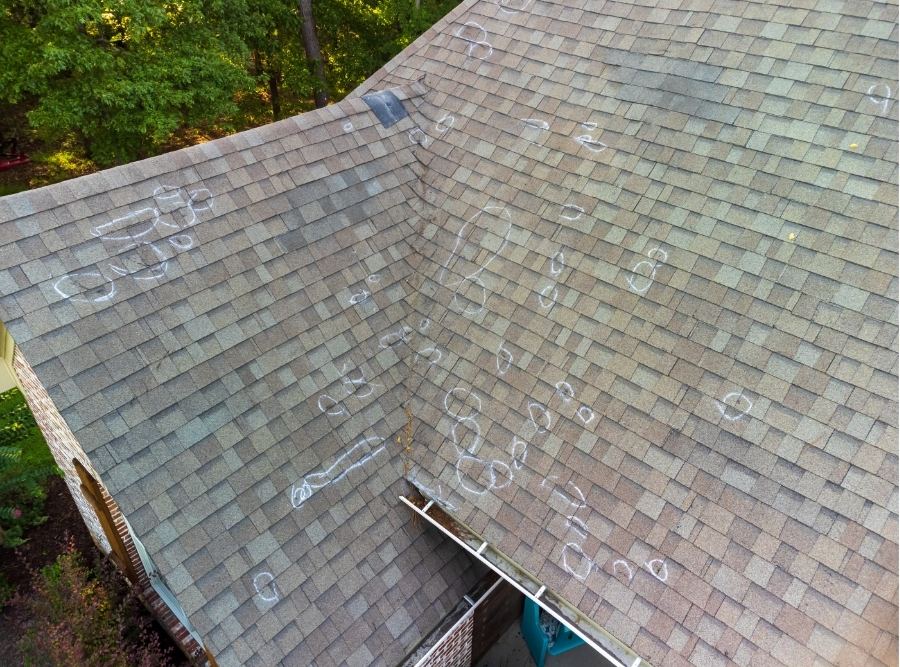
Yes. High winds, heavy rain, and debris impact can create small vulnerabilities that weaken a roofing system over time without obvious signs from the ground. Shingles may loosen just enough to allow water intrusion, and flashing can shift in ways that are difficult to detect without a closer look and a roof inspection after a storm frequently uncovers lifted shingles, compromised flashing, exposed fasteners, and hidden moisture intrusion that isn’t visible from the ground.
Depends on severity: minor cosmetic storm damage may only need monitoring, but active leaks, lifted shingles, exposed decking, or sagging roof sections should be treated as urgent structural concerns.
Which Roofing Issues Need Immediate Attention vs. Monitoring?
| Issue Type | Recommended Action |
| Active roof leaks | Fix now |
| Sagging roof decking | Fix now |
| Visible mold in attic | Fix now |
| Minor ventilation imbalance | Monitor / inform |
| Shingle aging without leaks | Inform |
| Storm-related flashing damage | Fix now |
| Minor cosmetic storm damage | Monitor |
A Roof Inspection can tell you which of these issues apply to your roof, and for homes with recurring structural concerns, our Roof System Design and Evaluation service looks at how the roof, ventilation, and decking work together as a system.
What Does Delaying Roofing Repairs Cost Over Time?
Roofing issues rarely stay isolated when left unresolved. What begins as minor water intrusion can lead to weakened decking, compromised framing, and significantly higher restoration costs, while ventilation problems can shorten the lifespan of the entire roofing system. Small maintenance decisions often determine whether a homeowner spends a modest amount now or a much larger amount later, since the longer a roofing issue develops, the more of the roof system it begins to affect.
Frequently Asked Questions About Roofing Issues and Structural Integrity
What roofing issues most commonly affect structural integrity?
The three most common are prolonged moisture intrusion, poor attic ventilation, and weakened roof decking. Each develops gradually, but left unaddressed they can compromise framing, insulation, and overall roof stability. Structural damage is rarely caused by one single failure — it’s usually the result of small, ignored issues compounding over time.
How does poor attic ventilation affect roof structure?
Without proper airflow, heat and moisture get trapped in the attic, which ages roofing materials faster and lets condensation weaken wood and loosen fasteners over time. Because there’s often no immediate failure, ventilation problems tend to degrade the roof slowly rather than announce themselves right away, which is why warning signs like warped decking or musty attic odors are worth acting on.
What are signs my roof decking is structurally compromised?
Sagging roof sections, soft spots found during inspection, visible waviness in the roofline, repeated leaks in the same area, mold growth in the attic, and nail pops are all signs of compromised decking. Soft or spongy walking surfaces and visible dips are structural warning signs, not cosmetic ones, and shouldn’t be delayed.
Can storm damage affect my roof’s structure without visible damage?
Yes. Wind can loosen shingles or shift flashing just enough to allow water intrusion without any obvious sign from the ground. Post-storm inspections frequently find lifted shingles, compromised flashing, and hidden moisture that homeowners can’t safely identify without a closer look.
When does a roofing issue require immediate repair versus monitoring?
Active leaks, sagging decking, visible attic mold, and storm-related flashing damage all call for immediate repair. Minor ventilation imbalances or shingle aging without any leak can typically be monitored, though it’s worth having a professional confirm which category a specific issue falls into.