How Do You File a TAMKO Heritage Shingle Warranty Claim?
Red Rover Roofing helps Tennessee homeowners identify shingle defects, document damage, and navigate the manufacturer warranty process — the right way.
Filing a TAMKO Heritage shingle warranty claim starts with a professional roof inspection to document manufacturing defects such as premature granule loss, cracking, blistering, or delamination. While TAMKO’s warranty includes a 10-year non-prorated Full Start period with material and limited labor coverage, many claims are denied because of missing photos, installation records, or incomplete documentation rather than an invalid defect. It’s also important to understand that a warranty claim covers product defects, while homeowners insurance typically covers storm-related damage. Review the common defect signs below, then schedule a professional evaluation to ensure your claim is properly documented before submission. Red Rover Roofing inspects TAMKO Heritage roofs throughout Williamson and Davidson counties.
What Is a TAMKO Heritage Shingle Warranty Claim?
TAMKO Heritage shingles are a line of architectural asphalt shingles used on residential roofs, and like most roofing products, they carry a manufacturer’s warranty covering certain defects in materials and workmanship. A claim is filed when shingles fail prematurely or show signs of a manufacturing defect before the warranty period expires. Depending on the nature and timing of the defect, TAMKO may provide repair materials, prorated reimbursement, or in some cases full replacement coverage. Documentation matters here more than almost anything else: proper evidence of the defect, installation records, and clear photos are required, and even a legitimate claim can be delayed or denied without them.
Red Rover Roofing is an independent roofing contractor, not the manufacturer, and assists with roof evaluation and documentation but cannot guarantee claim approval. All warranty determinations are made by TAMKO.
What Are Common Signs of a TAMKO Heritage Shingle Defect?
Many of these signs aren’t visible from the ground, which is one reason a professional inspection is generally the most reliable way to confirm whether a warranty claim may apply.
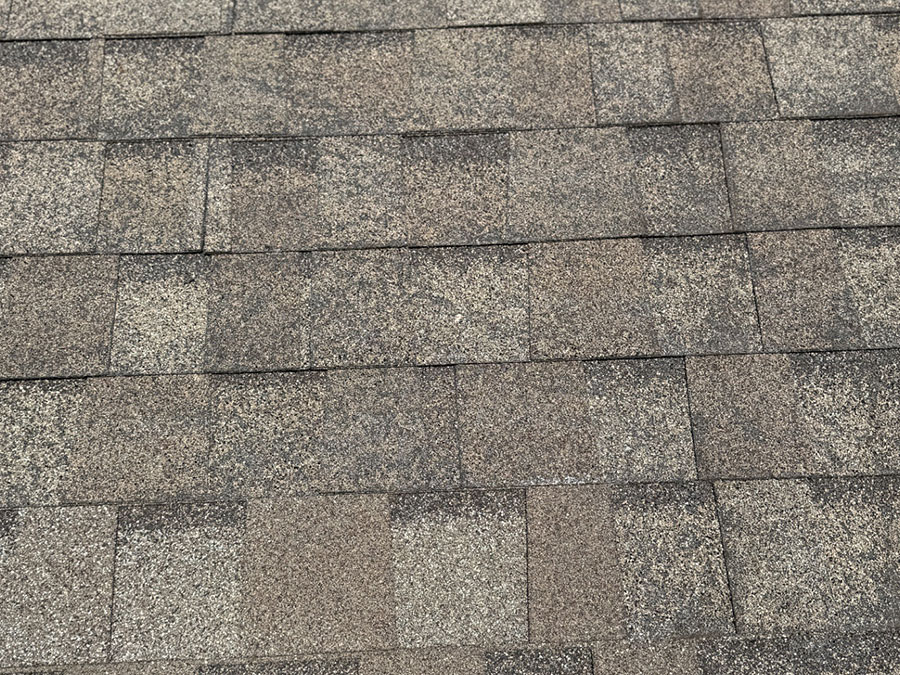
Premature Granule Loss
granules wearing off faster than expected, exposing the asphalt layer underneath
Cracking & Splitting
visible cracks or splits appearing well before the shingle’s expected lifespan
Blistering
bubbles or raised areas on the shingle surface caused by trapped moisture or a manufacturing issue
Delamination
shingle layers separating, causing the material to peel apart and lose integrity
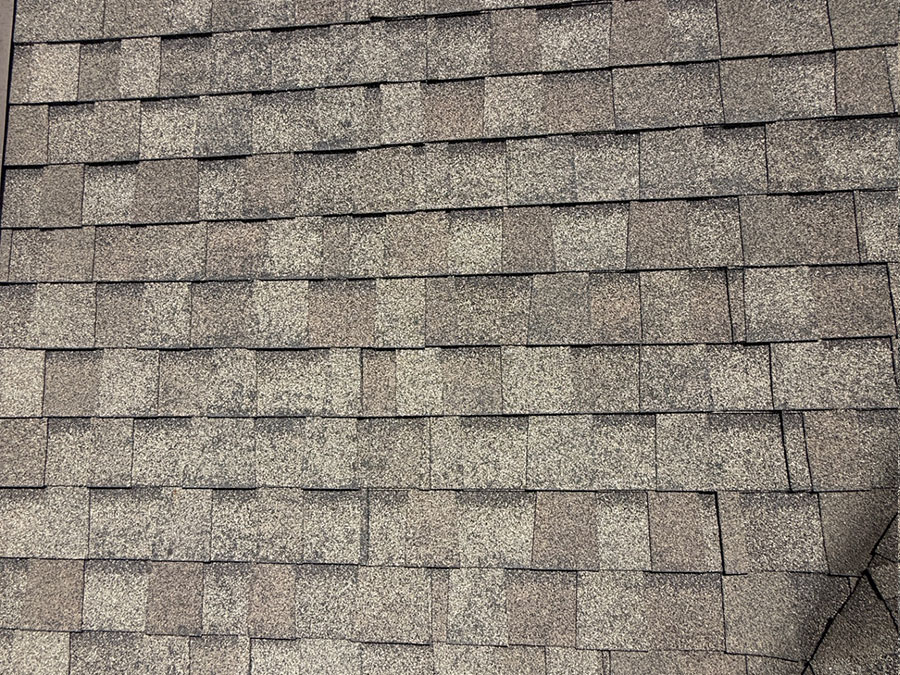
Early Aging & Deterioration
signs of aging appearing years earlier than the warranty period suggests
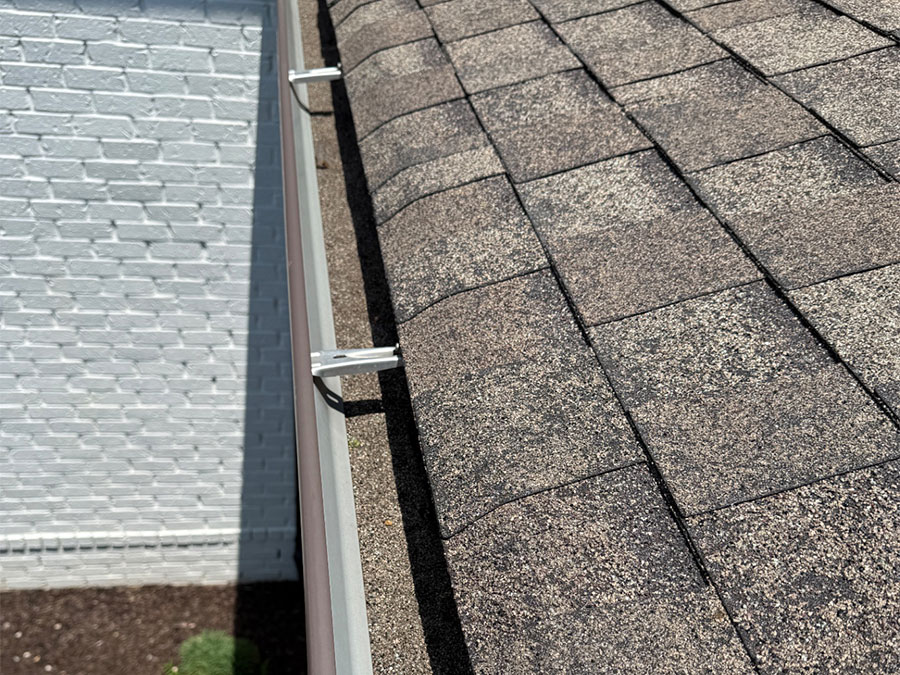
Edge & Drip Line Damage
deterioration along roof edges and gutters indicating premature shingle failure
If you notice excessive shingle grit washing out of your downspouts after a rainstorm, call a professional to inspect the roof for premature granule loss before the asphalt layer is permanently damaged by UV exposure.
What Does the TAMKO Heritage Warranty Actually Cover?
TAMKO’s Limited Lifetime Warranty primarily covers manufacturing defects that cause shingles to fail to shed water properly before the expected service life. Most Heritage shingles currently include a 10-year non-prorated “Full Start” period, during which qualifying manufacturing defects may include both material and limited labor reimbursement; after that period, coverage becomes prorated based on roof age. Coverage may include replacement shingles, prorated reimbursement, and limited labor coverage depending on the age of the roof and the exact product line installed.
- Storm damage from hail or wind
- Improper installation
- Poor attic ventilation
- Normal aging and weathering
- Foot traffic or mechanical damage
- Improper fastening patterns
- Improper roof deck conditions
The list above is what the warranty typically does NOT cover.
How Do You File a TAMKO Heritage Shingle Warranty Claim?
- Schedule an inspection. A roofer evaluates the roof specifically for signs of manufacturing defects.
- Complete an on-site roof evaluation. The inspector examines the roof for defect signs, installation issues, or storm damage, since these require different next steps.
- Collect photos and documentation. Detailed photos and measurements are gathered to support the claim submission.
- Review findings and next steps. The inspection findings determine whether a warranty claim, an insurance claim, or a standard repair is the right path.
- Submit the claim and pursue repair or replacement. Once a determination is made, the claim is submitted to TAMKO, and approved work can proceed from there.
Before submitting the claim, you must locate your original roofing contract or closing documents to prove the installation date and verify you are the original owner (or that the warranty was properly transferred to you). Having these records available helps prevent delays and allows TAMKO to verify warranty eligibility.
Manufacturer response times are outside a contractor’s control, but claims submitted promptly with thorough documentation tend to move more efficiently through review.
Is a Warranty Claim the Same as an Insurance Claim?
| Cause | Who Typically Covers It |
| Storm damage (hail, wind) | Homeowners insurance |
| Installation issues | May involve installer liability |
| Manufacturing defects | Manufacturer warranty (TAMKO) |
No, a manufacturer warranty claim and a homeowners insurance claim are separate processes, and mixing them up is one of the most common points of confusion. Insurance covers sudden damage from storms or other covered events; the manufacturer warranty covers defects in materials or premature failure unrelated to a specific weather event.
If your roof issue turns out to be storm-related rather than a manufacturing defect, our Insurance Claim Advocacy service covers that process instead.
What Weakens a TAMKO Warranty Claim?
- Low-quality or insufficient photos
- Missing installation documentation
- Inaccurate damage descriptions
We document every warranty inspection to the standard manufacturers expect: clear defect photos, roof measurements, and installation details gathered in one visit, so nothing holds up your claim later.
If your roofer discovers the shingles were installed using an incorrect nailing pattern or placed over damaged decking, the warranty is voided; TAMKO only covers material defects, not poor workmanship.
Where Are TAMKO Heritage Shingles Common in Middle Tennessee?
TAMKO Heritage shingles were popular with Middle Tennessee builders during the 2005-2015 housing boom, and they’re commonly found in subdivisions built during that window across Franklin, Brentwood, Spring Hill, Thompson’s Station, Nolensville, and parts of Nashville. Homeowners in these areas whose roofs date to that build period are the most likely to encounter the shingle issues described above.
Frequently Asked Questions About TAMKO Heritage Warranty Claims
Does TAMKO cover full roof replacement?
Coverage varies by product and installation date. Some claims may qualify for full replacement, while others are prorated based on the age of the roof. A proper evaluation and documentation are what determine which applies to a specific situation.
What if my TAMKO warranty claim is denied?
A denial can be reviewed to understand the specific reason cited, and additional documentation or a re-evaluation sometimes changes the outcome. Claims are often denied due to incomplete information rather than an invalid underlying issue.
Is a TAMKO warranty claim the same as an insurance claim?
No. A manufacturer warranty claim is separate from a homeowners insurance claim. Insurance covers sudden damage from storms or other events, while the manufacturer warranty covers defects in materials or premature failure.
Do I need to pay for a warranty inspection?
Many roofing contractors, including Red Rover Roofing, offer complimentary warranty inspections with no obligation to proceed with further services afterward. It’s worth confirming this upfront with whichever contractor performs the evaluation.
How long does a TAMKO warranty claim take?
The inspection itself typically takes one to two hours, but documentation and claim submission timelines can vary after that. Manufacturer response times are outside a contractor’s control, though submitting a well-documented claim promptly tends to keep the process moving efficiently.
What Is the Process for Filing a Claim
A straightforward, step-by-step approach to help you understand your options.
Schedule An Inspection
1
2
Complete the On-Site Roof Evaluation
Collect Photo and Documentation Evidence
3
4
Claim Guidance & Next Steps
Repair or Replacement Options
5
Concerned About Your TAMKO Heritage Shingles?
Schedule a complimentary warranty inspection. We’ll document any issues and help you understand your options.
Why Homeowners Choose Red Rover Roofing
Manufacturer warranty claims often fail — not because the roof doesn’t qualify, but because the documentation submitted doesn’t meet the manufacturer’s requirements. Generic photos, missing installation records, or incomplete descriptions can delay or derail an otherwise valid claim.
Don’t Wait for Problems to Get Worse
Shingle defects can lead to leaks, interior damage, and more costly repairs over time. If you’re concerned about your TAMKO Heritage roof, schedule a complimentary inspection today.