Understand the 9 layers of a roof system and where problems usually start. Learn what to ask your roofer and why installation order matters for Middle Tennessee homes.
Step-by-Step Guide
Roof Decking: The Foundation
The decking supports the entire roofing system. During inspections, this is where we often find hidden damage caused by old leaks or poor ventilation. We look for soft spots, sagging, or compromised fastener holding.
Drip Edge: Small Metal, Big Impact
Drip edge protects fascia boards and roof edges—areas that rot quickly when left exposed. Homes without drip edge often show water damage behind gutters within a few years.
Underlayment: The Backup System
Underlayment protects the home if shingles fail or are damaged during storms. We recommend high-quality synthetic underlayment for better tear resistance and longevity.
Ice & Water Shield: Leak Prevention Zone
Even in Tennessee, ice and water shield is critical in valleys and around penetrations. Most interior leaks start where this layer was skipped.
Starter Shingles: Wind Defense
Starter shingles are engineered to lock down the first shingle row. A common shortcut is using cut shingles instead of true starters—which often voids warranties.
Main Shingles: Protection & Curb Appeal
Architectural shingles are the most common choice locally due to durability and appearance. Correct nailing zones and spacing make or break wind resistance.
Flashing: The Leak Hotspots
Flashing failures are the #1 cause of roof leaks we inspect. Best practice: replace flashing during roof replacement—never reuse old metal.
Ridge Cap Shingles: Peak Protection
Ridge caps seal the system and protect the most exposed area of the roof. Improperly fastened ridge caps fail first during high winds.
Ridge Ventilation: Roof Longevity Control
Ventilation is critical for preventing heat and moisture buildup. Poor ventilation shortens shingle life and increases energy costs.
Key Takeaways
Most homeowners think of a roof as “shingles,” but a durable roof is a system of layers working together. In Middle Tennessee, where roofs deal with intense sun, heavy rain, and seasonal storms, every layer matters. Here’s how a roof is actually built—and where we see failures most often.
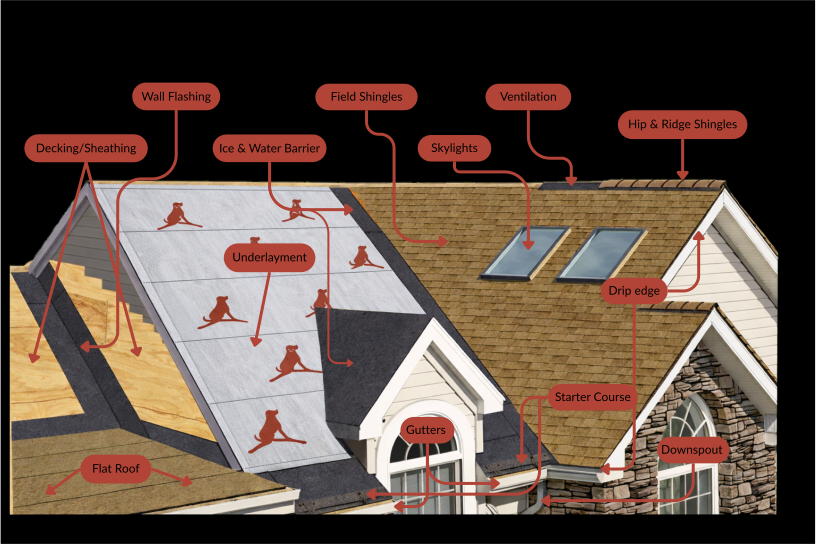
Middle Tennessee’s climate demands a lot from roofing systems. Summer temperatures regularly exceed 90°F, spring storms bring large hail and high winds, and heavy rain events test every seam and flashing detail. A properly layered roof system handles all of this. A roof with shortcuts will fail.
Roof systems only work when installed in the correct sequence. Changing the order or skipping layers compromises the entire system. We inspect roofs layer by layer for exactly this reason.
Definitions
Roof Decking
The structural base of the roof system, typically plywood or OSB panels fastened to rafters or trusses. All other materials depend on solid decking.
Drip Edge
Metal flashing installed along eaves and rakes that directs water away from fascia boards and into gutters.
Underlayment
A protective layer over decking (synthetic or felt) that acts as a secondary water barrier beneath shingles.
Ice & Water Shield (IWS)
Self-adhering waterproof membrane installed in vulnerable areas like valleys, eaves, and penetrations. Seals around nail holes.
Starter Shingles
Shingles installed along roof edges before main shingles, providing secure seal and wind resistance for the first course.
Flashing
Metal components installed around chimneys, walls, skylights, and transitions to prevent water intrusion at these vulnerable points.
Common Mistakes to Avoid
What to Ask Your Roofer
Middle Tennessee note:
Middle Tennessee roofs take a beating from intense summer heat, spring hailstorms, and heavy rain events. Each layer of a properly installed roof system is designed to handle these conditions. Cutting corners on any layer—especially underlayment, ice & water shield, or ventilation—leads to premature failure and expensive repairs.
Why Middle Tennessee Homeowners Trust Us
Need Professional Roofing Help?
Red Rover Roofing provides expert roofing services throughout Middle Tennessee. Get your free inspection today.